Attracting beneficial wildlife is a blessing and a necessity for your garden. These animals keep pests at bay by offering natural ways to reduce them.

Do you strive for a climate-friendly garden? This is a garden where you plant strategically to attract natural predators, that will, in turn, take care of the pests you don’t want in your garden. Let’s discuss some ways you can work toward attracting predators and pollinators to help care for your garden naturally.
You can use less chemical pesticides and more natural practices to keep a healthy garden.
Create Water Features to Attract Beneficials
Creating water features can also bring wildlife to your garden, such as frogs. It’s easy to do, just make sure that your water features are water catchment systems and that the water circulates.
For the most part, frogs and toads just need water, shelter, and lots of insects to live comfortably, says Angi Schneider. For the water container, make sure you use something that the frogs can easily hop into and out of. To make a frog habitat follow these ideas from Rootsy.
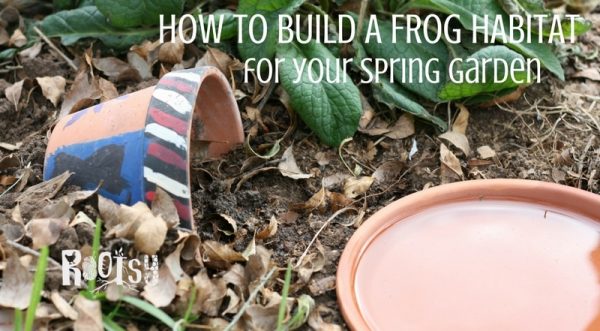
Photo courtesy of Rootsy.org
You can save rainwater by investing in containers to catch the water or use naturally occurring catchment. You might even consider saving your gray water from your washer or shower if you use the right types of soaps and detergents that are safe.
One caution with catching water is breeding mosquitos. You’ll have enough insects in your garden without giving space to breed your own!
Remember that mosquitoes breed in stagnant, standing fresh water oftentimes found around the home. You may not be able to eradicate all of these areas but pay attention to tin cans, buckets, discarded tires and other artificial containers that hold stagnant water. Learn more about vector control and make sure your water features have moving water.
Plant Trees, Hedges, and Shrubs for food, shelter, and deterrent
Planting a variety of trees and shrubs in many different sizes and types will provide food for birds, bees, and other wildlife that are beneficial for your garden.
Providing nesting sites for many different types of animals is good for the ecology of your garden.
If you live in an area with deer, having these hedges and shrubs around the perimeter of your property can provide food for these animals and deter them from raiding your vegetable garden or fruit trees in the interior. Why not plant edible shrubs that will benefit your family and wildlife.
Don’t Remove the Deadwood
Dying trees or parts of a dying tree have a big use to gardeners. They are habitats for organisms that keep your garden ecosystem healthy.
Fungi, mosses, and insects will attract birds to them who will eat them. Birds do their part by keeping insects in check.
Insect-eating birds such as wrens, warblers, and towhees eat aphids, mosquitoes, spiders, caterpillars and other insects that we consider garden pests.
“Birds are the least toxic method to managing pests,” says Jodi Cook. Birds consume thousands of insects, especially in the spring when they’re feeding their young. They are also habitats for snakes and other animals, so locate them strategically. Read more in the article Backyard Birder
This dead wood also attracts garden snakes. Don’t worry; garden snakes are good because they eat rats and small mammals that will eat the food from your garden.
Encourage Wildflowers
Don’t automatically get rid of all wildflowers as “weeds”. Some of them are beautiful and they can be very valuable to improve the ecology of your garden.
Wildflowers can improve soil health, prevent erosion, improve water quality, increase yields and enhance forage conditions for livestock.
If you have decided to leave some of your property “wild” you’ll find that eventually, native wildflowers will populate these areas. They’re conditioned to thrive there.
These beautiful plants require less water and fertilizer, are less prone to disease, and are more tolerant to pests. They also provide food for insects and butterflies which can encourage pollination of your plants but less eating of your plants.
Nettles are especially helpful for providing a breeding area for butterflies. Harvest the leaves of nettle and make tea to supplement your garden with nitrogen, chlorophyll, magnesium, sulfur, iron, potassium, copper, zinc and calcium.
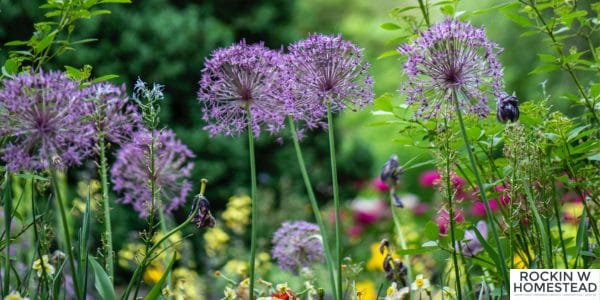
Make Habitat Areas by Keeping Some Grass Long
Plant longer grasses in some areas of your lawn, there are many ornamentals that provide beauty and habitat. Long grass provides cover for small animals, reptiles, and caterpillars.
Consider leaving some of your existing grass uncut throughout the year and alternating the areas every couple of years to avoid the grass from becoming too coarse.
This natural habitat creates plenty of places for these animals to be where they help and not harm your garden.
Plant Variety with Natives
Diversity is important in the garden and draws many kinds of beneficial insects, birds, and reptiles. Choose different types of plants that are native to your area, which will always be the right plants for the climate of your area.
It’s usually safe to look at the local garden center, where you can often discover many varieties that work well for your area. Doing so will help cut down on pests. That being said, don’t forget to branch out and grow plants that can adapt to your climate.
Look for herbs and perennials that will benefit your life and those of the pollinators you are trying to attract.
Put Up Bird Houses and Nesting Boxes
If you’d like more birds in your garden, you can put up nesting boxes on walls and in fences. The key is to find the birds that are in your area and cater to their nesting needs. You can also add nesting boxes to trees as long as they are facing the right way to provide shelter for birds.
Put the boxes up at least six to seven feet off the ground to keep them protected. Be sure to clean these boxes each year when the birds have left the boxes to cut down on parasites.
Find out more about birds nesting habits from this article at NestWatch and learn to make your own inexpensive bluebird nesting boxes from Joybilee Farm
The beautiful thing about climate-friendly gardening practices is that they naturally attract beneficial wildlife to your garden, helping you protect against disease and pests naturally without chemicals and fuel-based pesticides.
Great tips! I got rid of all our lawn and planted edibles instead. So many birds and bugs! We’ve become a stopping point for monarchs as they love all the milkweed that planted itself.
Glad you’re sharing the wisdom of ecological gardening!
Thank you for the wonderful ideas and super post!|
This is an important topic.
We’ll be starting this process this spring and planting this fall. Thank you!
I have a number of these already on the farm but I intend to plant even more this summer, I am looking forward to doing so, I have plans for more native bee hotels, my new pond area should help the toads greatly and I am really looking forward to adding bird houses as well.
Great tips in here! Love the frog habitat idea!
Great information! I didn’t know wrens ear aphids! I love my wrens. I have a lot of feeders and water areas for my birds I guess I better include the slimy frogs!! Yuk. Thanks for good information Shelle!
I love this concept and when we purchase our land I want to do this. Thanks!
So important to remember to preserve biodiversity. We can do a lot by doing just a little , your suggestions can be super simple to implement and yet make a huge difference ! Thanks for sharing 🙂
Wonderful advice, I wish everyone would do this!
Attracting all that wildlife to your garden is always important when homesteading. It helps keep things in check so to speak. We have many areas that we have left natural and the amount of wildlife, bees, and butterflies we now have is simply amazing!
We planted 20 acres of different flowers and plants to attract butterflies, bees, wildlife etc. It is working as we see them returning.
I love the idea of making sure your garden attracts beneficial wildlife. I have tried to make sure my garden is wildlife friendly, but after reading this, I see that there are a few other things I can add to really bring in those species. Going to add more wildflowers and native species this year.
Great tips and inspiration! We’ve done the frog habitat, but we have to watch those mosquitos don’t nest in the overturned flowerpot!